Monsoon Roof Damage Oro Valley

Arizona’s monsoon season runs from June through September. As locals, we understand every storm brings the potential for serious roof damage. High winds, driving rain, hail, and flying debris all take a toll on tile roofs in Oro Valley. If your roof was hit in a recent storm, we offer fast inspections and repairs before the next wave rolls through.
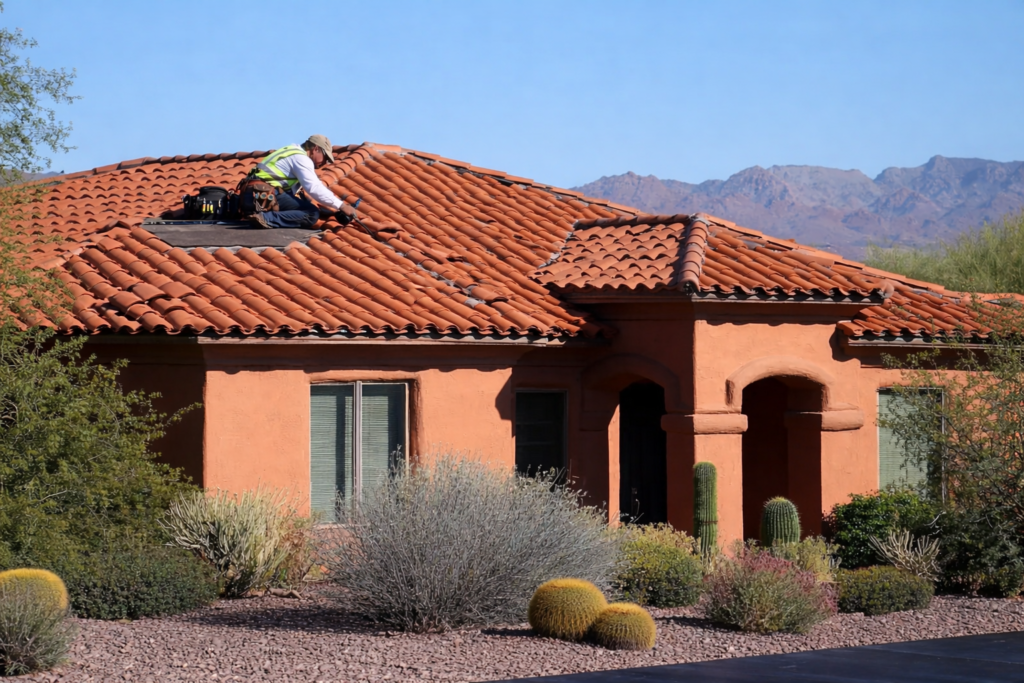
Oro Valley Tile Roof 1 1024x683

How monsoon storms damage Oro Valley roofs
Cracked or shattered clay and concrete tiles from hail or debris impact
Wind-lifted tiles that shift out of alignment, exposing the underlayment
Blown flashing around chimneys, vents, and skylights that lets water in
Clogged or overwhelmed gutters causing water to back up under the eaves
Ridge cap mortar loosened by wind uplift and thermal expansion
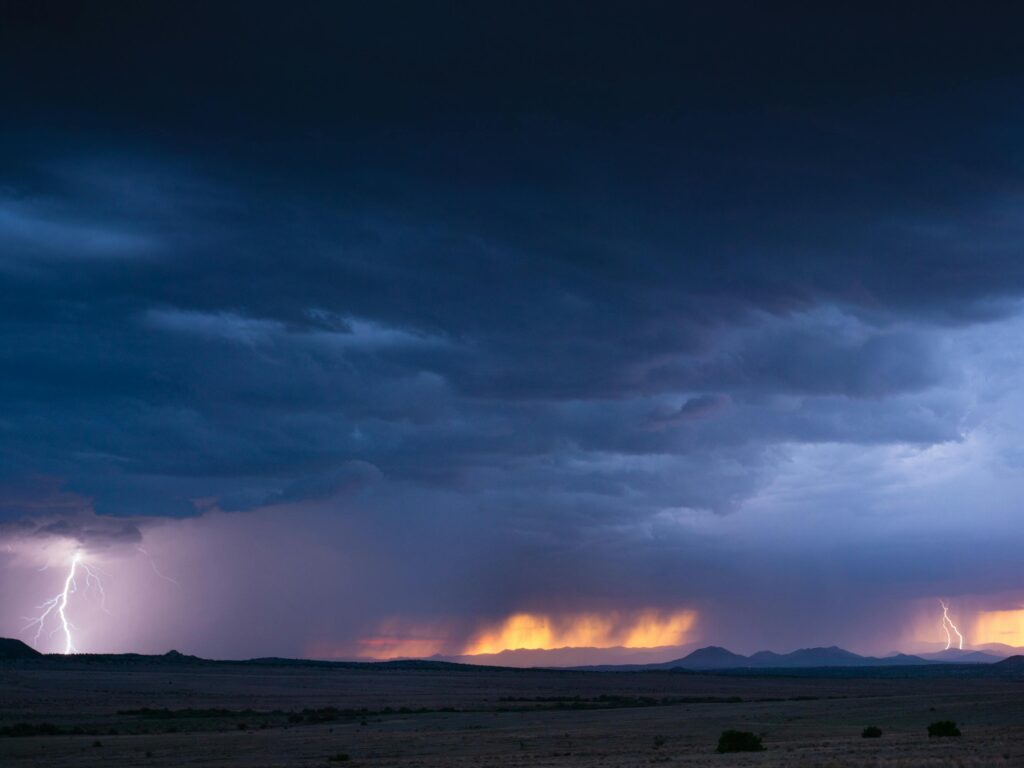
Captivating view of lightning strikes during a thunderstorm in New Mexico, showcasing vibrant skies.

Signs your roof was damaged by the last storm

Oro valley Roof Damnage

After a monsoon, you don’t always see the damage right away especially with tile roofs where water hides under the tiles before it reaches your ceiling. Watch for these warning signs

01.

Water stains on ceilings or walls, especially in corners

Those stains come from open leaks from the roof where the roofing shingles have been exposed

02.

Visible broken or missing tiles from the ground or driveway

You’ll see pieces of the roof in the yard after the monsoon

03.

Granules or tile debris collecting in gutters or around the foundation

Lots of debris will clog up the gutters

04.

Daylight visible through attic boards when looking up

Looking up the traditional homes in Oro Valley you’ll see sunlight exposure

If you see any of these after a storm, get a professional inspection before the next monsoon hits.
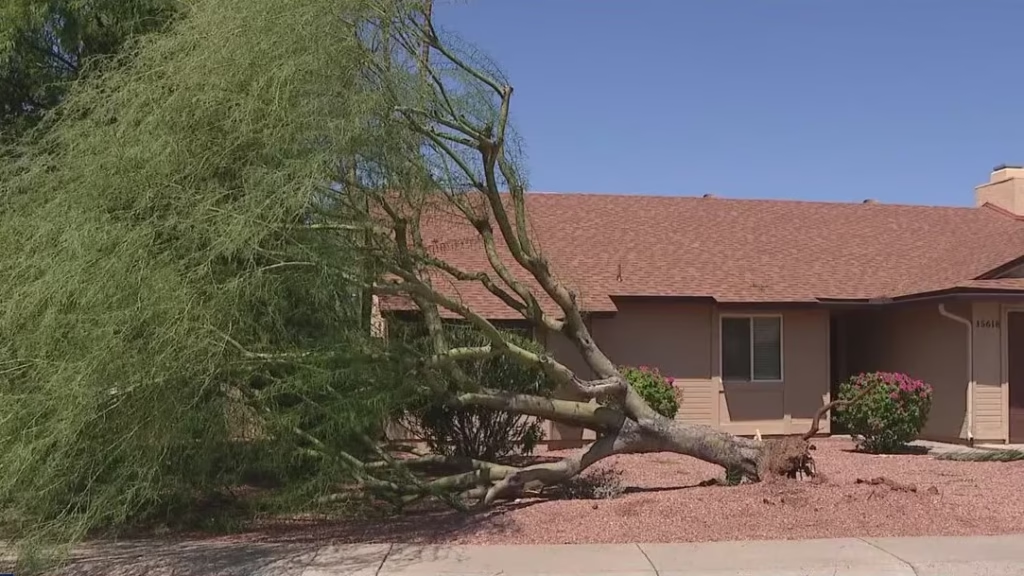
Roof Damage Oro Valley 1024x576

Your What to do after monsoon roof damage in Oro Valley

1. Stay safe — don’t walk on a wet tile roof. Clay and concrete tile becomes extremely slippery when wet and can crack under weight if stepped on incorrectly.

2. Document the damage make sure to take photos from the ground or a safe vantage point as soon as it’s safe to do so. Your insurance company will want this.

3. Call a roofer for a damage inspection becuase not all storm damage is visible from ground level. A professional inspection identifies hidden damage before it turns into a major interior leak.

4. Contact your homeowner’s insurance. Every monsoon damage is typically covered under AZ homeowner’s policies. We can document findings in writing to support your claim.

5. Get repairs completed before the next storm. Southern Arizona monsoon season often have back-to-back storms. A damaged roof that survives one storm may not survive the next.

Oro Valley monsoon facts every homeowner should know
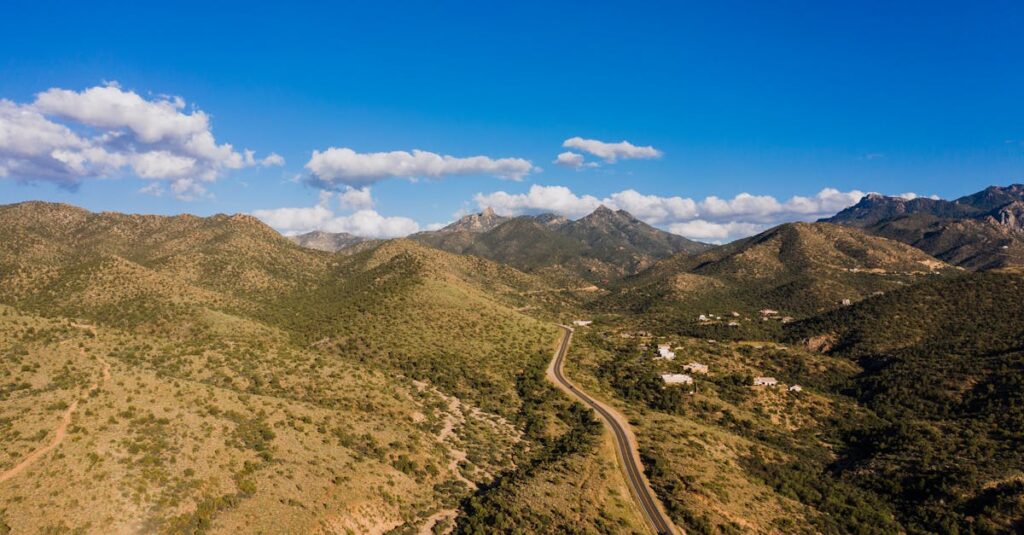
oro valley landscape roofing

Oro Valley and Catalina Foothills

Oro Valley sits at around 2,700 feet elevation in the Tortolita and Catalina foothills. That elevation means storms often hit the area differently than central Tucson — winds can exceed 60 mph during haboob events, and storms moving from the southeast dump concentrated rainfall on the foothills neighborhoods like Rancho Vistoso and Steam Pump Ranch. Homes in these areas are at higher exposure than lower-elevation parts of the Tucson basin. A post-monsoon roof inspection every fall is a smart investment for any Oro Valley homeowner.

Don’t Wait

Don’t wait for the next storm to find out your roof has a problem. Call Sonora Roofing for a free post-monsoon roof inspection in Oro Valley. We’ll check your tiles, flashing, underlayment, and ridgeline — and give you a written report at no charge. Call us or fill out the form to get on the schedule.